Picture this: You're sitting down to tackle a big project. Coffee's ready, desk is clear, and then... you realize you need the right soundtrack. You open Spotify and see two options staring back at you: a lofi beats playlist with millions of followers, and an ambient music collection promising "deep focus." Which one do you choose?
If you've ever been stuck in this moment, you're not alone. Both lofi beats and ambient music have exploded in popularity, each with passionate fans who swear their choice is the ultimate focus tool. But here's the thing—they're actually quite different, and understanding those differences can completely change how you work and study.
Let me share what I've learned from years of creating focus music and talking to thousands of listeners about what actually works.
Why We're All Searching for Focus Music
Before we dive into the lofi vs. ambient debate, let's talk about why this even matters. According to Spotify, listening time for focus playlists jumped 50% in 2023. Pandora saw a 47% increase in people creating their own focus stations. This isn't just a trend—it's a survival strategy.
Here's the reality: We're living in the most distracted era in human history. Your phone buzzes. Slack pings. Email notifications pop up. The American Psychological Association found that 86% of us are constantly checking our devices, and each interruption costs us about 23 minutes to get back into the zone.
Music has become our defense mechanism. It's like putting up an invisible "do not disturb" sign for your brain.
What Makes Lofi Beats So Addictive?
You know that cozy feeling you get when you hear lofi beats? There's a reason for that. Lofi—short for "low-fidelity"—isn't just music. It's an entire vibe.
Here's what you're actually hearing:
The tempo sits around 70-90 beats per minute, which happens to match your heart rate when you're relaxed but alert. Not too slow (you'd fall asleep), not too fast (you'd get anxious). It's the Goldilocks zone of rhythm.
Then there's that signature sound—the vinyl crackle, the tape hiss, the slightly "imperfect" quality. It's intentional. These little imperfections make the music feel warm and human, like listening to an old record at your grandparents' house.
And those melodies? Usually simple piano loops with jazz-influenced chords. Nothing too complex, nothing demanding your attention. Just... there. Comforting. Familiar.
The lofi aesthetic goes beyond sound. Think of those animated study girl videos—the one who's been studying for years now, rain always falling outside her window. It's nostalgic, cozy, and somehow makes you feel less alone when you're grinding through work at 2 AM.
The pandemic supercharged lofi's popularity. When millions of us suddenly found ourselves working from home, we needed something to create structure and comfort. Lofi became the soundtrack of remote work—consistent, non-demanding, like having a study buddy who never talks.
Ambient Music: The Invisible Focus Tool
Now, ambient music is a different beast entirely. While lofi gives you a cozy hug, ambient music tries to disappear.
Brian Eno, who basically invented modern ambient music back in the 1970s, described it perfectly: music that can be "actively listened to with attention or as easily ignored." It's designed to exist in the background of your consciousness, supporting your focus without demanding attention.
What makes ambient different:
First, the tempo is even slower—usually 60-80 BPM or sometimes no clear beat at all. Instead of rhythm, you get textures. Layers of sound that wash over you like waves.
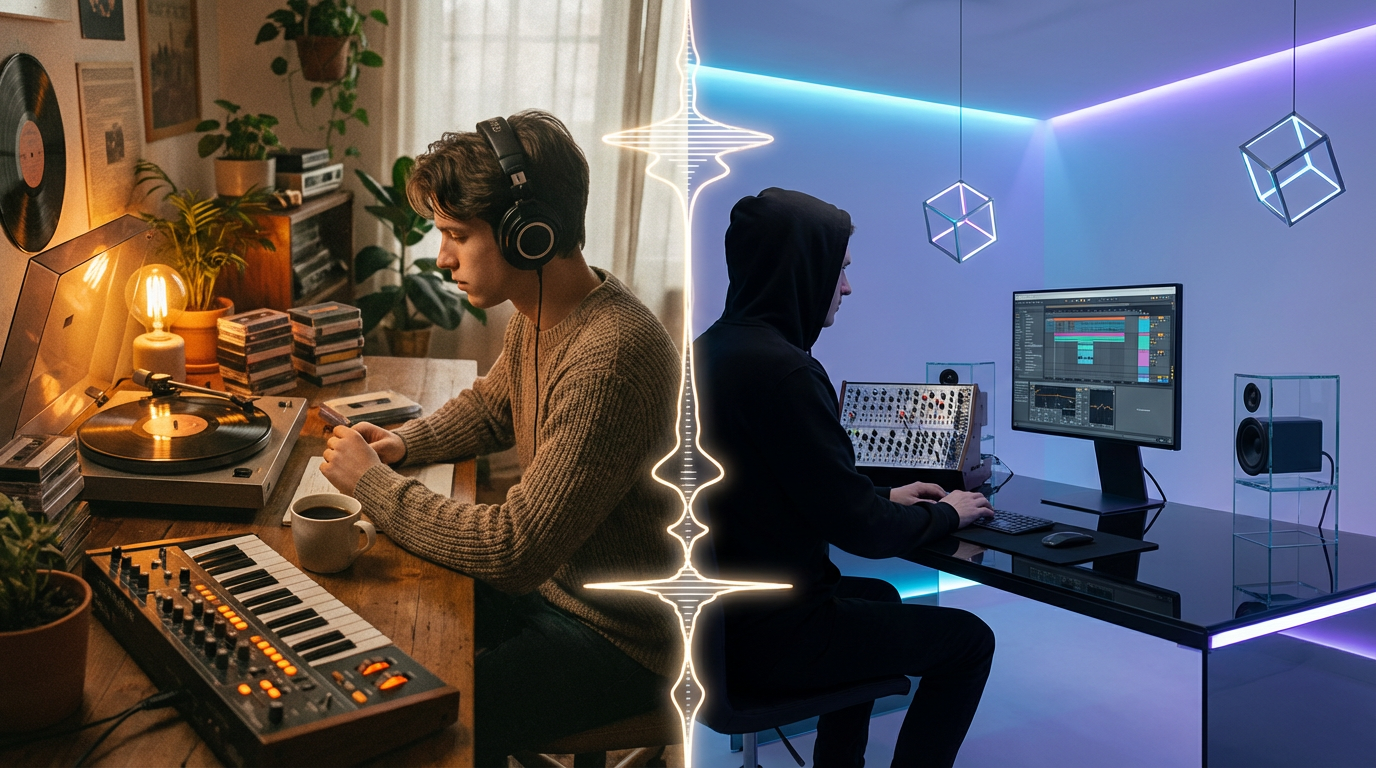
Where lofi has those catchy piano loops, ambient music uses sustained tones, slow-moving harmonies, and spacious production. Imagine the difference between a cozy coffee shop (lofi) and floating in space (ambient). Both can help you focus, but they feel completely different.
Ambient music for focus often includes nature sounds, synthesizer pads, or long, drawn-out notes that barely change. It's minimal. Sparse. Some people find it boring at first—and that's actually the point. It's not trying to entertain you. It's trying to create a sonic environment where your brain can do its best work.
The Science: Why Both Work (But Differently)
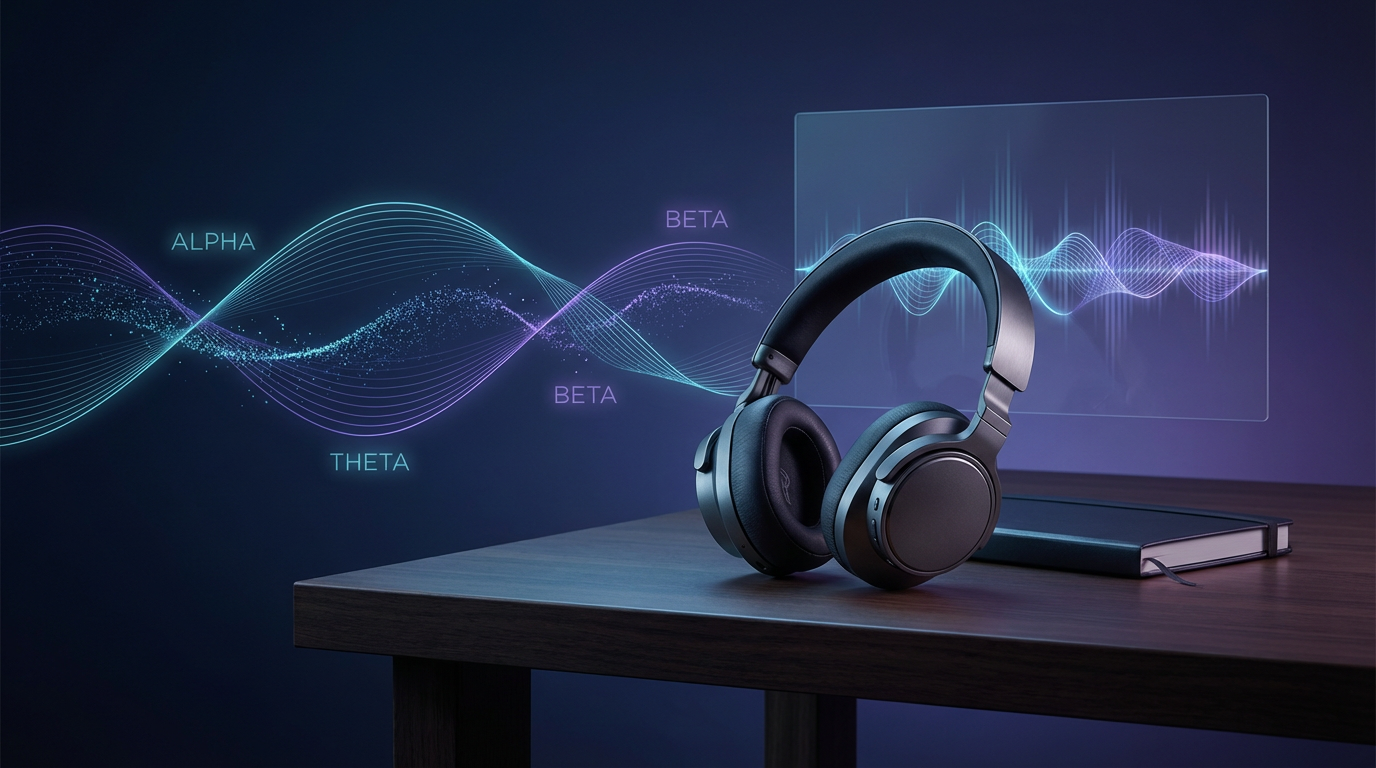
Okay, here's where it gets interesting. Both genres help you focus, but they work through different mechanisms.
Think of it like this: Your brain has a sweet spot for performance. Too little stimulation? You get bored and distracted. Too much? You get overwhelmed and can't focus. Music helps you hit that sweet spot, but lofi and ambient approach it from different angles.
Lofi beats work through rhythm and predictability. That steady beat gives your brain something to latch onto. It's like a metronome for your thoughts. The repetitive nature means your brain quickly learns the pattern and can push it to the background, freeing up mental resources for your actual work.
The emotional warmth of lofi also matters. When you're feeling stressed or unmotivated, those cozy sounds can provide just enough emotional support to keep you going. It's like having a friend sitting nearby while you work—comforting without being distracting.
Ambient music works through sustained attention and space. Without a strong beat or catchy melody, there's nothing to pull your attention away from your work. It creates what I call an "auditory cushion"—a soft layer of sound that masks distracting noises without becoming a distraction itself.
The slow, evolving nature of ambient music also matches the rhythm of deep work. When you're really in the zone, time seems to slow down. Ambient music mirrors that experience, helping you sink deeper into that flow state.
When to Choose Lofi
After years of experimenting and listening to feedback from our community, I've noticed clear patterns for when lofi works best:
1. When you need emotional support
Got a task you're dreading? Lofi's warm, comforting vibe can make it feel less intimidating. It's like having a supportive friend cheering you on.
2. For moderate-complexity tasks
Writing emails, organizing files, light coding, studying familiar material—lofi provides just enough structure without being distracting. The rhythm keeps you moving forward.
3. When you're in a noisy environment
Coffee shop, shared office, roommates watching TV—lofi's consistent sound effectively masks irregular background noise better than complete silence or ambient music.
4. For shorter work sessions
Planning to work for 1-2 hours? Lofi's engaging enough to keep you company without becoming repetitive or boring.
5. When you're feeling low energy
The gentle rhythm and warm tones can provide a subtle energy boost when you're feeling sluggish but need to get things done.
When to Choose Ambient
Ambient music shines in different scenarios:
1. For deep, complex work
Writing a research paper, solving difficult problems, learning new concepts—when you need every ounce of mental capacity, ambient's minimal presence lets your brain work at full power.
2. During extended focus sessions
Planning a 3-4 hour deep work block? Ambient music won't get old. Its slowly evolving nature means it can support you for hours without becoming repetitive.
3. In quiet environments
If you're already in a quiet space, ambient music adds just enough sound to prevent that "too quiet" feeling without introducing unnecessary elements.
4. For creative thinking
The spacious, open quality of ambient music seems to mirror the mental space needed for creative breakthroughs. Many listeners report their best ideas coming during ambient listening sessions.
5. When you're already in the zone
Once you've hit that flow state, ambient music helps you stay there. Its lack of structure means it won't accidentally pull you out of deep focus.
The Hybrid Approach: Why Not Both?
Here's a strategy that works brilliantly for many people: Start with lofi, transition to ambient.
Use lofi beats for the first 20-30 minutes to ease into your work. Let that rhythm and warmth help you overcome the initial resistance and build momentum. Once you're in the zone, switch to ambient music for the deep work phase.
This approach leverages the strengths of both genres—lofi's motivational energy to get started, ambient's invisible support to stay in flow.
Finding Your Perfect Soundtrack
The truth is, there's no universal "best" choice. I've met successful people who swear by lofi, others who can only work with ambient, and plenty who switch depending on the day.
Here's what I recommend: Experiment deliberately. Try lofi for a week during your main work sessions. Notice how it feels. Does the rhythm help or distract? Does the warmth comfort or annoy? Then try ambient for a week. Pay attention to how deep you can go, how long you can sustain focus.
Your ideal soundtrack might even change based on the task, your energy level, or the time of day. That's perfectly normal. The goal isn't to find one perfect genre—it's to build a toolkit of sonic environments you can choose from.
Try It Yourself
Want to experience the difference firsthand? I've created both lofi-style and ambient soundscapes on my channels.
For ambient focus music, check out Deep Focus Sphere, where you'll find long-form ambient tracks designed specifically for deep work and concentration.
If you're more drawn to the chillout vibe that bridges lofi and ambient, explore Chillout Sphere for relaxing soundscapes that provide gentle support without demanding attention.
The Bottom Line
Lofi beats and ambient music aren't competitors—they're different tools for different jobs. Lofi offers rhythm, warmth, and emotional support. Ambient provides space, subtlety, and sustained focus.
The best choice depends on your task, your environment, your mood, and your personal preferences. Some days you'll need lofi's cozy companionship. Other days you'll crave ambient's invisible support. And that's exactly how it should be.
The most important thing? Pay attention to what actually works for you, not what's trending or what everyone else uses. Your brain is unique, and your perfect focus soundtrack should be too.
Now, if you'll excuse me, I have some music to create. And yes, I'll be using ambient music while I do it.
🎧 Listen While You Read
From our channel: Deep Focus Sphere
Deep Focus Vibes: The Ultimate Study Music Mix
TAGS
Share this article