You know the drill. You set a timer for 25 minutes. You promise yourself you won't check your phone, open a new tab, or suddenly decide that now is the perfect time to organize your sock drawer.
This is the Pomodoro Technique. It's one of the most popular productivity methods in the world. And for many people, it's also incredibly stressful.
Why? Because staring at a ticking clock creates anxiety. It turns work into a race against time. But what if you didn't need a timer? What if you could use sound to naturally guide your brain through periods of intense focus and necessary rest?
Welcome to the concept of the Pomodoro Playlist.
The Problem with the Ticking Clock
The core idea of the Pomodoro Technique is brilliant: Our brains can only maintain deep focus for limited periods before cognitive fatigue sets in. By breaking work into 25-minute chunks (Pomodoros) followed by 5-minute breaks, you prevent burnout and maintain high productivity throughout the day.
The flaw lies in the execution. A digital timer counting down from 25:00 triggers a subtle stress response. It activates your sympathetic nervous system. You're not just working; you're working under pressure.
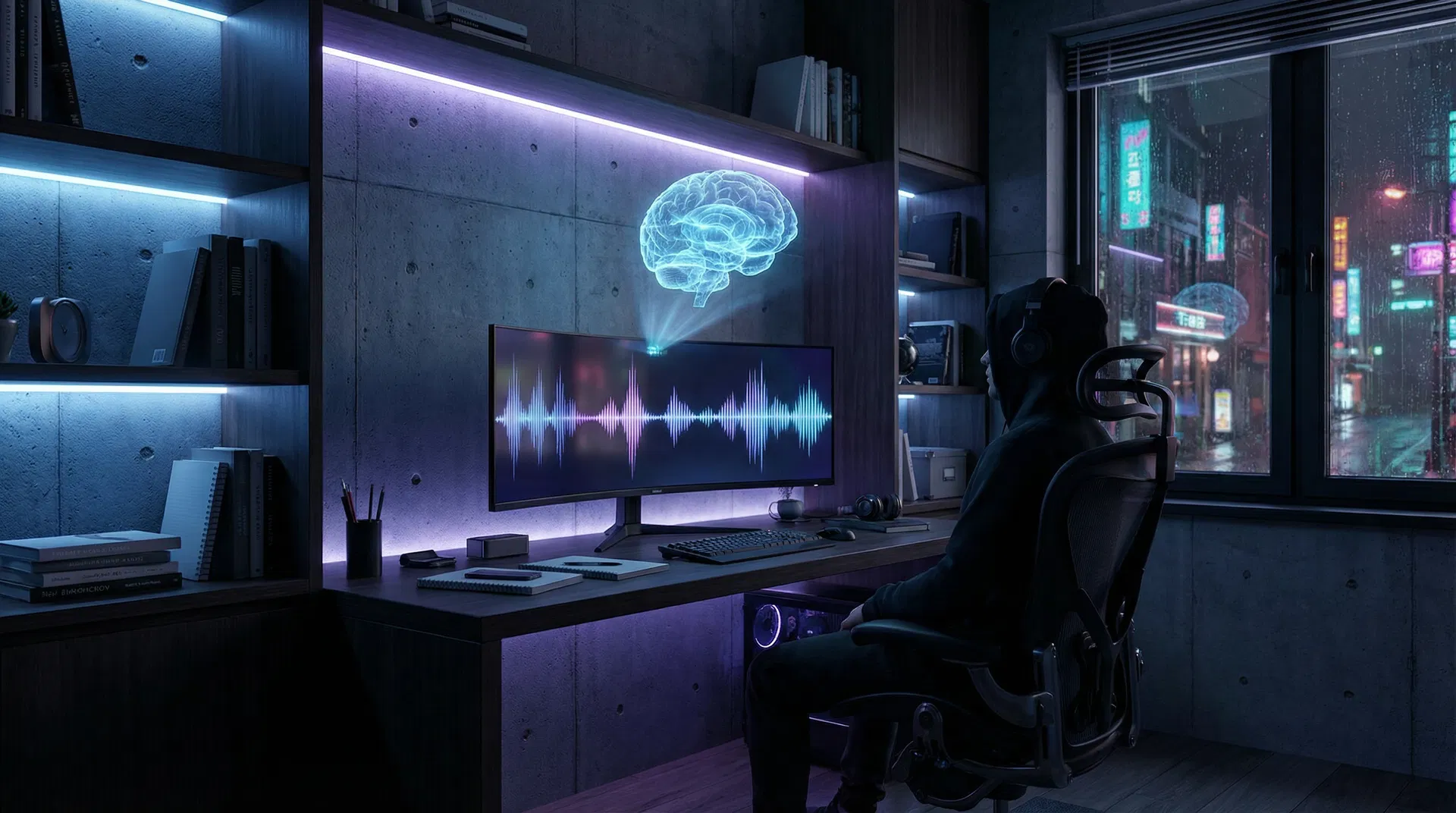
This is where music changes the game. Sound doesn't just mask background noise; it shapes your perception of time.
Structuring Time with Sound
Instead of a timer, you can use specific genres of music to define your work and break phases. This creates a psychological boundary that your brain learns to recognize automatically.
Here is how you build the perfect acoustic Pomodoro session:
Phase 1: The 25-Minute Deep Dive (The Work)
For the focus phase, you need music that is driving but not distracting. It needs to have a steady rhythm to keep you moving forward, but it must lack vocals or unpredictable structural changes that would pull your attention away from the task.
The ideal sound: Deep Ambient, Lofi Beats, or Cinematic Soundscapes.
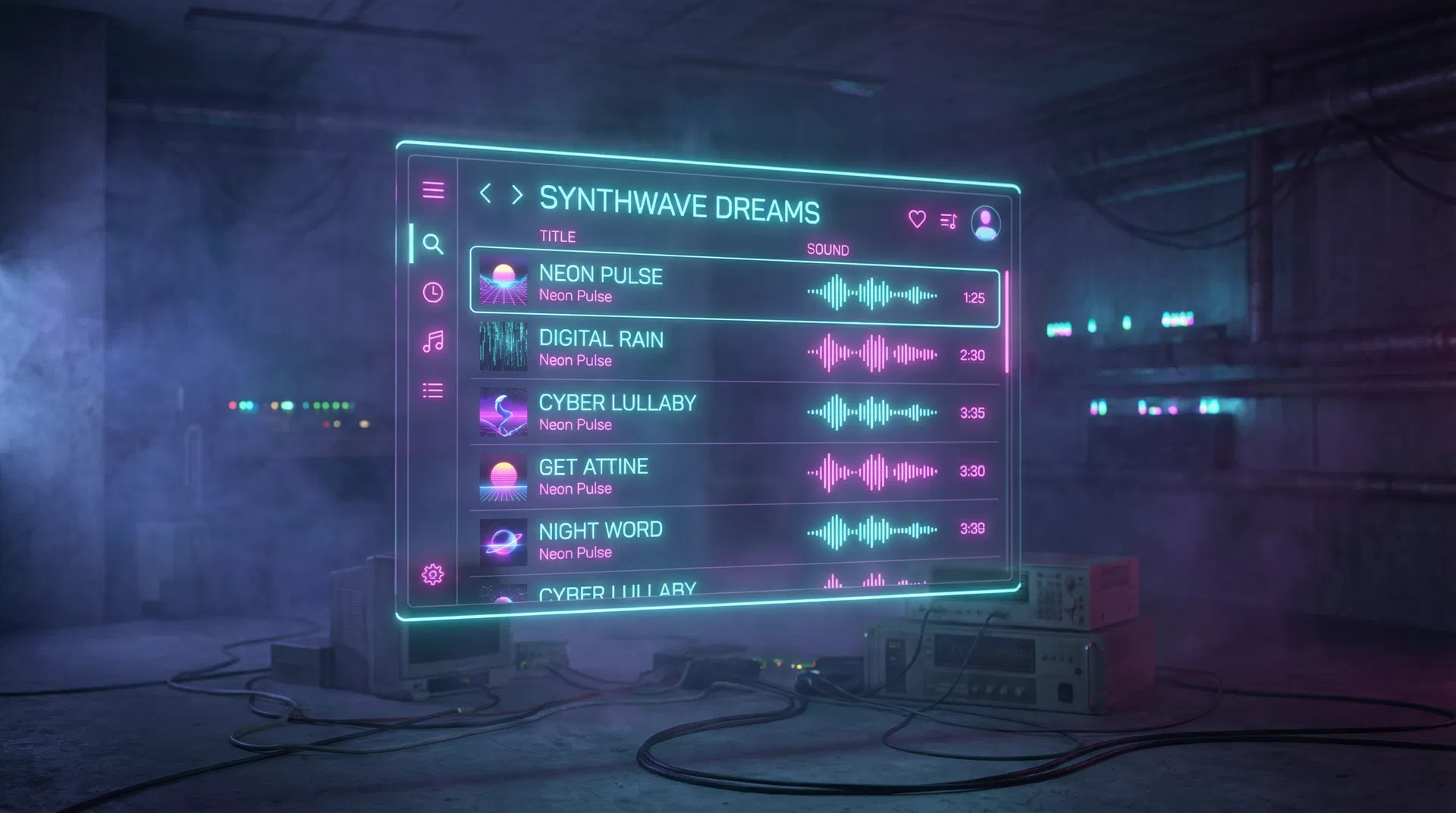
When you start your work session, put on a track or a playlist that lasts roughly 25 to 30 minutes. The music acts as your container. As long as the deep, rhythmic ambient sounds are playing, you are in the zone. You don't need to look at a clock; the music tells you that you are still in the focus phase.
Recommendation: The Deep Focus Sphere channel is perfect for this. The tracks are designed to provide a continuous, unbroken stream of concentration-enhancing sound.
Phase 2: The 5-Minute Reset (The Break)
When the focus music ends, it's time for your break. But don't just sit there in silence. Use a completely different type of sound to signal to your brain that the cognitive load has been lifted.
The ideal sound: Smooth Jazz, Nature Sounds, or Light Acoustic Guitar.
The contrast is crucial. If your focus phase was driven by electronic beats, your break phase should be organic and loose. This acoustic shift instantly tells your nervous system to switch from sympathetic (active) to parasympathetic (resting) mode.
Recommendation: Switch over to JazzSphere Radio. The unpredictable, floating melodies of a saxophone or piano will immediately break the rigid structure of your work phase and allow your mind to wander.
The Psychological Anchor
After a few days of using this method, something fascinating happens. The music becomes a psychological anchor.
You won't need to force yourself to focus anymore. The moment you hear the deep bass of your focus playlist, your brain will automatically shift into work mode. And the moment the smooth jazz kicks in, your shoulders will drop, and you'll naturally take a breath.
You've replaced the anxiety of the ticking clock with the natural flow of sound.
Your Next Session
Try it today. Pick a 30-minute ambient track for your work. Pick a 5-minute jazz track for your break. Close the timer app. Put on your headphones.
Let the music tell you what time it is. You might find that 25 minutes of work suddenly feels a lot less like a sprint, and a lot more like a flow.
🎧 Listen While You Read
From our channel: Deep Focus Sphere
Work Music for Focus & Productivity - Minimal Soundscape for Intense Concentration
TAGS
Share this article