Why Dystopian Rain Sounds Create Deep Focus
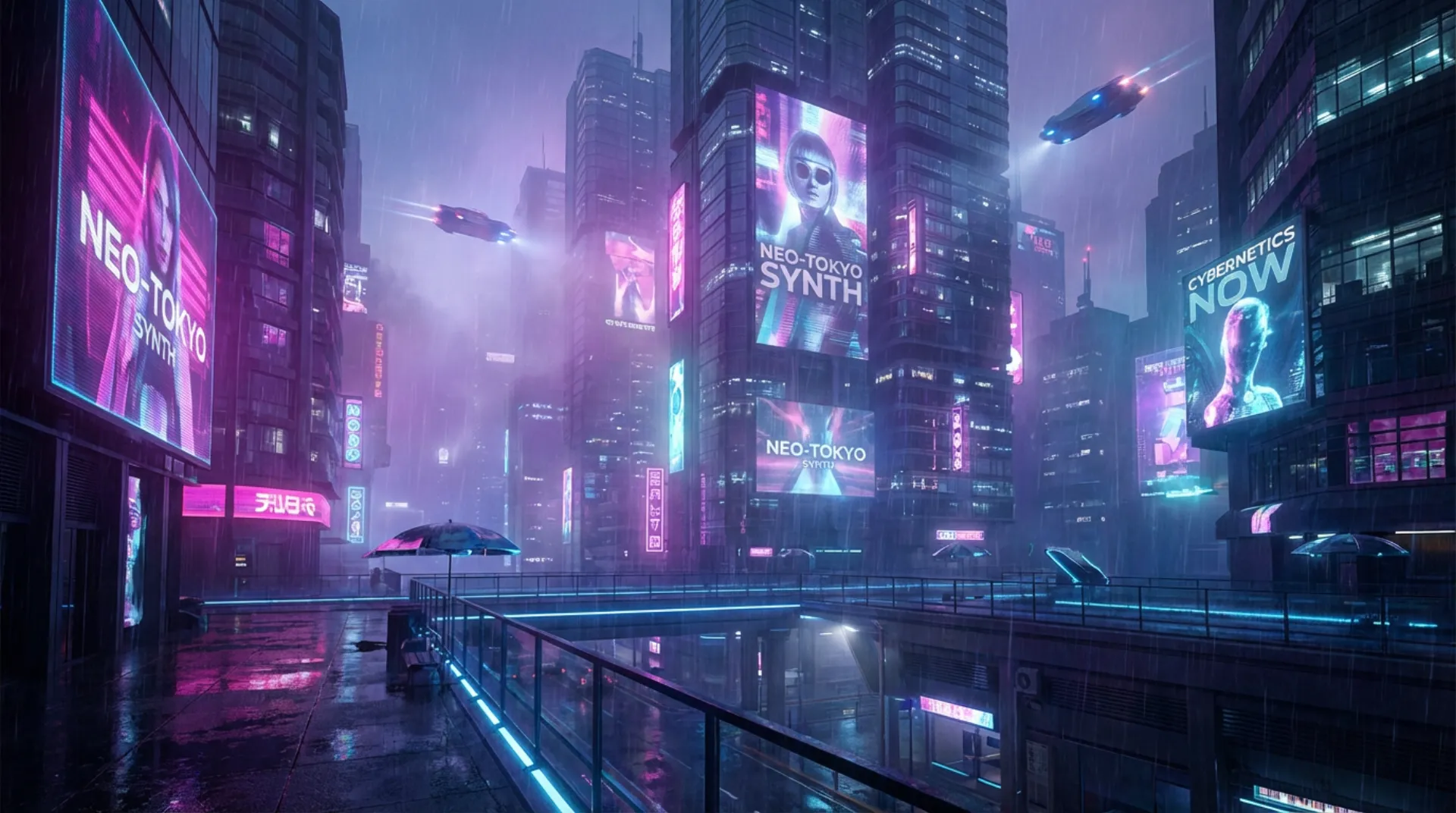
In the neon-soaked streets of imagined futures, where holographic advertisements flicker against rain-streaked windows and the hum of distant machinery blends with the patter of endless precipitation, something unexpected happens: the mind finds clarity. Cyberpunk soundscapes—those atmospheric blends of futuristic ambience, synthetic textures, and persistent rain—have become powerful tools for concentration, creativity, and deep work. But why does the audio aesthetic of dystopian futures help us focus in the present?
The answer lies at the intersection of neuroscience, environmental psychology, and the unique emotional resonance of retrofuturistic sound design. Cyberpunk rain ambience is not just background noise—it is a carefully constructed sonic environment that leverages specific acoustic properties, cultural associations, and cognitive triggers to create an ideal mental state for sustained attention.
This article explores the science, psychology, and creative philosophy behind why dystopian rain sounds—particularly those found on channels like Cyber Dreams—enhance deep focus, unlock creative flow, and provide a paradoxical sense of calm within chaos.
The Neuroscience of Rain Sounds
Rain has been used as a focus aid for centuries, long before the cyberpunk genre existed. But the reason it works is rooted in how our brains process ambient sound.
White Noise Masking
Rain produces what acousticians call broadband noise—a consistent sound that spans a wide range of frequencies. This type of noise masks sudden environmental disruptions like voices, traffic, or door slams, which would otherwise trigger the brain's orienting response and break concentration.
In cyberpunk soundscapes, rain is often layered with synthetic drones, distant machinery, and electronic hums. This creates a rich, multi-layered auditory blanket that not only masks distractions but also provides just enough complexity to keep the mind engaged without demanding active attention.
Predictable Unpredictability
Rain is rhythmically irregular—each drop hits at a slightly different time and intensity—but the overall pattern is predictable. This combination of consistency and variation is ideal for focus. The brain does not habituate to it (as it would to a perfectly looped sound), nor does it become distracted by it (as it would by sudden changes).
Cyberpunk rain takes this further by adding subtle electronic pulses, distant echoes, and atmospheric swells. These elements introduce gentle variation that keeps the soundscape alive without becoming intrusive.
Parasympathetic Activation
Studies have shown that natural sounds like rain can activate the parasympathetic nervous system, which governs rest, digestion, and calm states. This reduces cortisol levels and heart rate, creating a physiological foundation for sustained mental effort.
Even though cyberpunk rain is often synthetic or heavily processed, it retains the core acoustic properties that trigger this response. The result is a calming effect that feels both familiar and otherworldly.
The Emotional Resonance of Cyberpunk Aesthetics
Beyond the acoustic properties of rain itself, cyberpunk soundscapes carry powerful emotional and cultural associations that enhance their effectiveness as focus tools.
Solitude in the Crowd
Cyberpunk fiction is defined by dense, overpopulated cities where individuals are simultaneously surrounded by millions and profoundly alone. This aesthetic of urban solitude resonates deeply with modern knowledge workers, remote professionals, and creatives who often work in isolation despite being digitally connected to the world.
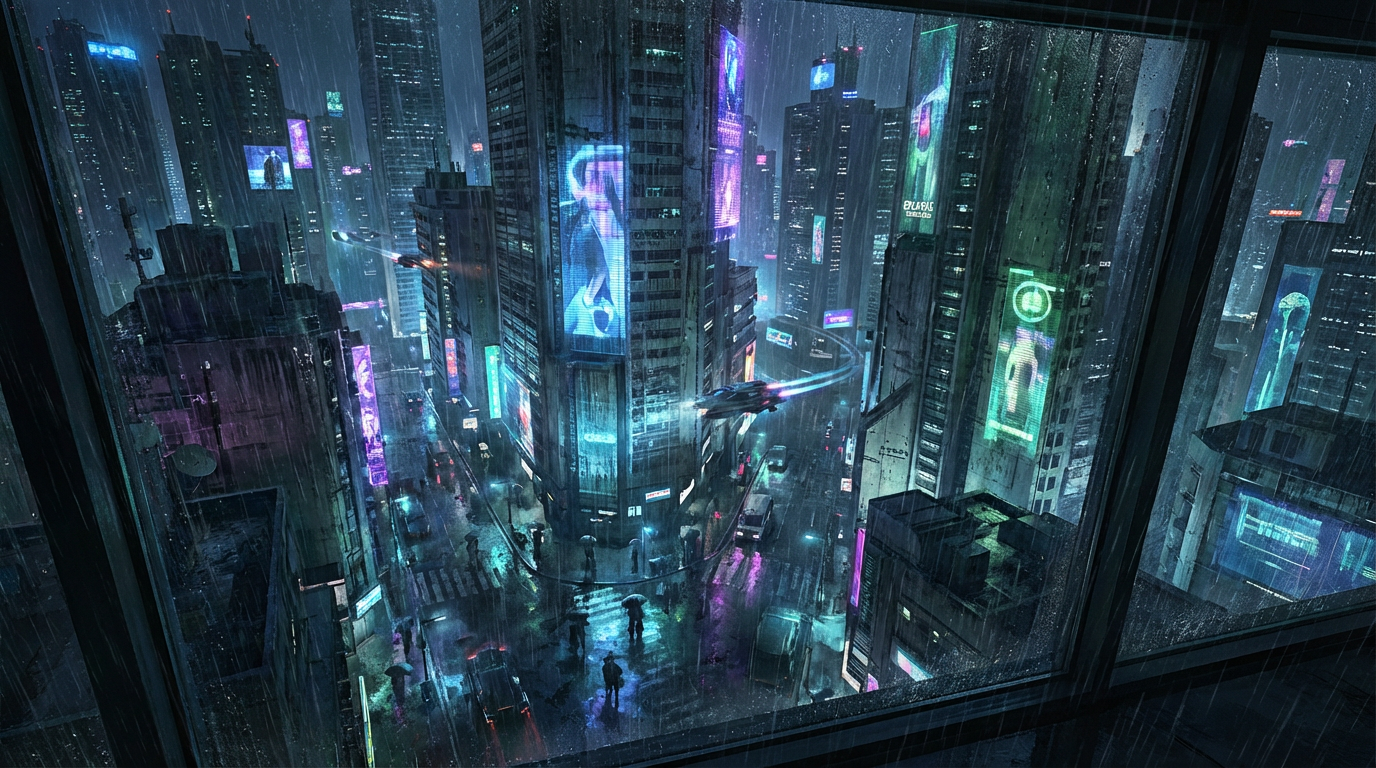
Listening to cyberpunk rain creates a psychological space that mirrors this experience. The soundscape evokes the feeling of being in a bustling, high-tech metropolis—yet safely removed from it, observing from a quiet room or rooftop. This sense of detached immersion is ideal for deep work.
Nostalgia for a Future That Never Was
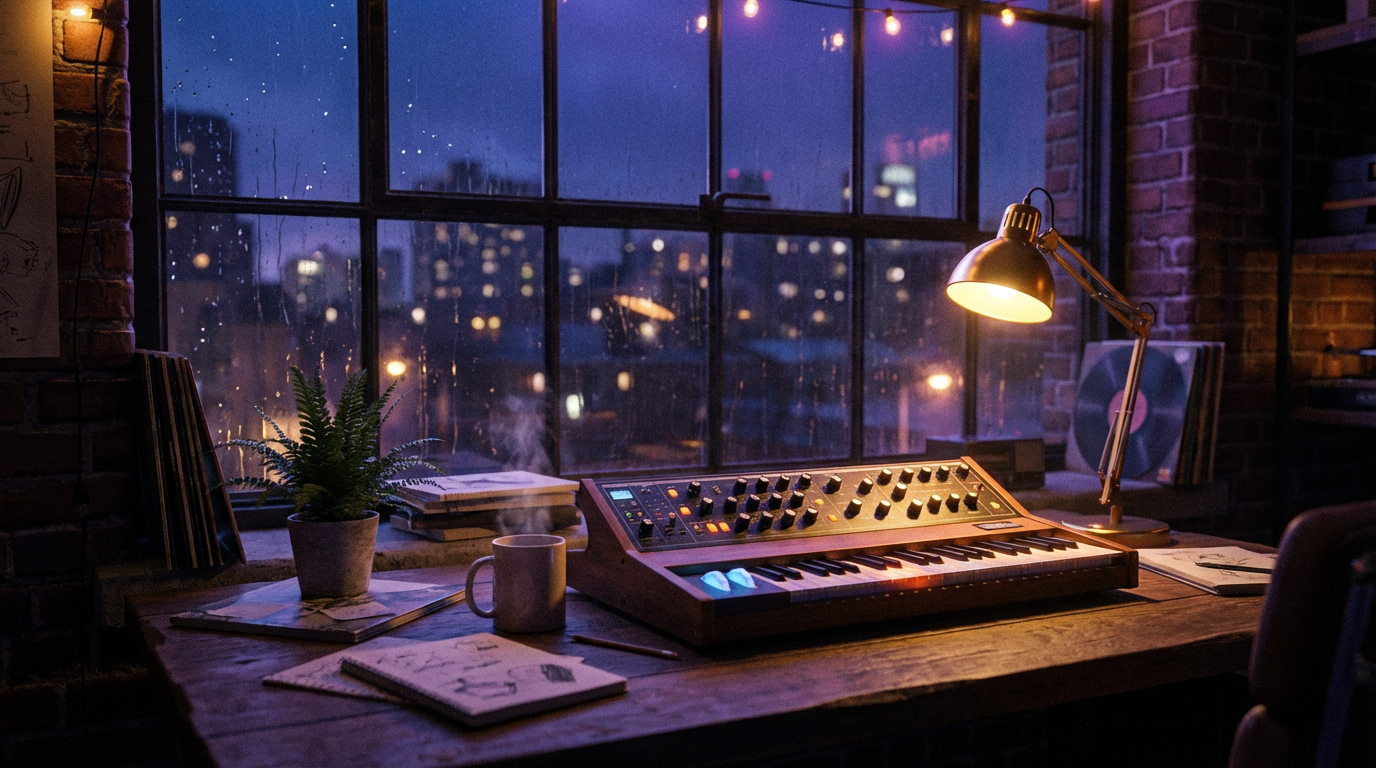
Cyberpunk draws heavily on 1980s visions of the future—neon signs, CRT monitors, analog synthesizers, and rain-soaked streets. For many listeners, this retrofuturistic aesthetic triggers a unique form of nostalgia: longing not for a past they experienced, but for an imagined future that never came to be.
This emotional distance—neither fully present nor fully past—creates a mental buffer that helps the mind disengage from immediate concerns and enter a more contemplative, focused state.
The Beauty of Decay
Cyberpunk worlds are often depicted as beautiful ruins—advanced technology layered over crumbling infrastructure, vibrant neon against grimy concrete, pristine holograms reflected in dirty puddles. This aesthetic tension between the new and the decayed, the clean and the chaotic, mirrors the creative process itself: building order from disorder, finding clarity in complexity.
For creators, writers, and thinkers, this resonance is powerful. The soundscape becomes a metaphor for the work itself—navigating through noise to find signal, constructing meaning from fragments.
The Role of Futuristic Ambient Sounds
While rain is the emotional anchor of cyberpunk soundscapes, the futuristic ambient elements—synth pads, distant machinery, electronic hums, glitchy textures—are what transform it from mere nature sounds into something uniquely suited for modern focus.
Synthetic Textures and Cognitive Engagement
Unlike pure nature sounds, which can sometimes feel too passive or sleep-inducing, cyberpunk ambience includes synthetic elements that provide just enough cognitive stimulation to keep the mind alert without becoming distracting.
Soft synth pads create harmonic depth. Distant mechanical hums suggest activity and motion. Occasional glitches or digital artifacts introduce micro-surprises that prevent the brain from fully tuning out. Together, these elements create a soundscape that is calming yet engaging—perfect for tasks that require sustained attention.
Temporal Ambiguity
Cyberpunk soundscapes often lack clear rhythmic structure or melodic progression. There are no verses, choruses, or buildups. Time feels suspended, stretched, or looped. This temporal ambiguity is ideal for deep work, as it removes the subconscious awareness of time passing that can create pressure or anxiety.
When you listen to a three-hour cyberpunk rain session, you are not counting minutes or waiting for the next song. You are simply existing within the soundscape, allowing time to dissolve.
The Illusion of Presence
High-quality cyberpunk soundscapes use spatial audio techniques—reverb, stereo panning, layered depth—to create the illusion that you are inside the scene. You are not just hearing rain; you are standing on a neon-lit balcony overlooking a sprawling metropolis. You are not just hearing machinery; you are in a high-rise apartment where distant factories hum through the walls.
This sense of presence enhances immersion and helps the mind disconnect from the physical environment, creating a mental workspace that feels both expansive and contained.
Why Dystopian Settings Enhance Focus
It may seem counterintuitive that dystopian imagery—pollution, overcrowding, corporate dominance, technological alienation—would create a calming, focus-enhancing environment. But the paradox is key to understanding why it works.
Controlled Chaos
Dystopian cyberpunk worlds are chaotic, but they are also highly structured. The chaos is aesthetic, not experiential. You are observing the disorder from a safe distance, not navigating it. This controlled exposure to chaos allows the mind to process complexity without feeling overwhelmed.
For creative work, this is ideal. The soundscape provides enough stimulation to keep the mind engaged, but not so much that it becomes distracting or stressful.
Emotional Distance
Dystopian settings are removed from everyday life. They are not your office, your home, or your city. This emotional distance creates a psychological buffer that helps you detach from immediate concerns and enter a more abstract, contemplative state.
When you listen to cyberpunk rain, you are not thinking about your to-do list or your inbox. You are mentally transported to a fictional world where those concerns do not exist. This mental shift is powerful for deep work.
The Comfort of Familiarity in the Unfamiliar
Cyberpunk aesthetics have become culturally ubiquitous through films like Blade Runner, Ghost in the Shell, and The Matrix, games like Cyberpunk 2077, and countless music videos, artworks, and online communities. For many people, these sounds and visuals are deeply familiar, even if they have never experienced them in reality.
This familiarity creates comfort. The soundscape is exotic enough to be interesting, but familiar enough to feel safe. This balance is ideal for focus.
Practical Applications: How to Use Cyberpunk Rain for Deep Work
Understanding why cyberpunk rain sounds enhance focus is one thing. Using them effectively is another. Here are practical strategies for integrating these soundscapes into your work routine.
Pair with Visual Ambience
Many cyberpunk rain videos include looping visuals—rain-streaked windows, neon cityscapes, futuristic interiors. If you work on a second monitor or have a tablet nearby, displaying these visuals can enhance the immersive effect and reinforce the mental shift into focus mode.
Use for Specific Task Types
Cyberpunk soundscapes are particularly effective for:
- Writing and creative work
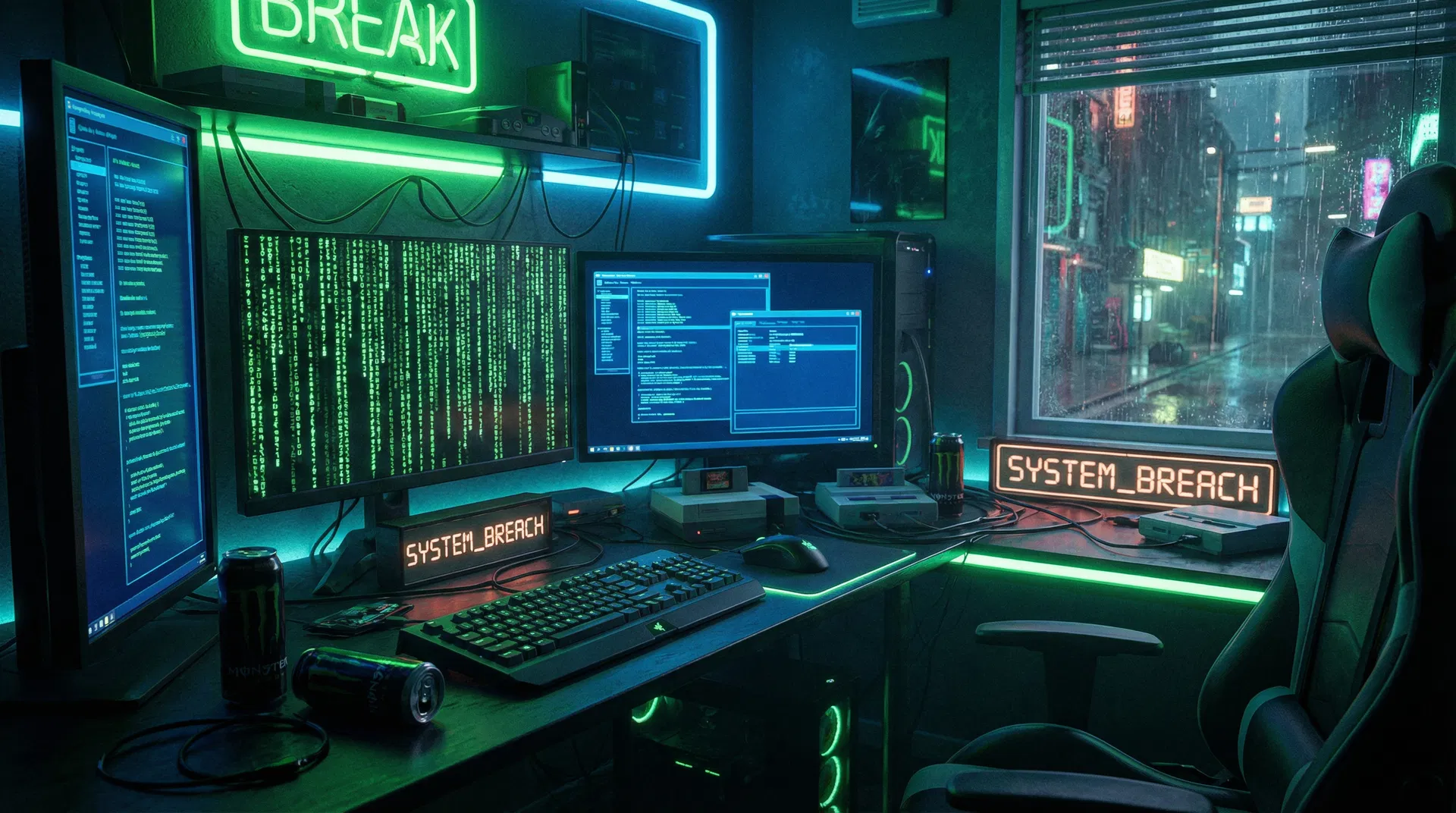
- Programming and technical problem-solving
- Research and deep reading
- Design and visual work
- Late-night sessions when external distractions are minimal
They are less suited for tasks requiring verbal communication or rapid context-switching.
Establish a Ritual
Use cyberpunk rain as a focus trigger. Start each deep work session by pressing play, and over time, your brain will associate the soundscape with concentration. This Pavlovian conditioning can make it easier to enter flow state.
Adjust Volume for Optimal Masking
The ideal volume is just loud enough to mask environmental distractions but quiet enough that you are not consciously aware of the music. This creates a subconscious auditory environment that supports focus without demanding attention.
Combine with Other Focus Techniques
Cyberpunk rain works well alongside:
- Pomodoro timers (25-minute work blocks)
- Ambient lighting (soft, warm tones or color-changing LEDs)
- Minimalist workspaces (reducing visual clutter)
- Caffeine or nootropics (if used responsibly)
The Cultural Moment: Why Cyberpunk Resonates Now
Cyberpunk is experiencing a cultural resurgence. From the success of Cyberpunk 2077 to the popularity of synthwave music and vaporwave aesthetics, the retrofuturistic dystopian vision is more relevant than ever.
This is not coincidental. We live in a world that increasingly resembles cyberpunk fiction: ubiquitous surveillance, corporate dominance, technological alienation, environmental decay, and the blurring of physical and digital realities. The aesthetic resonates because it feels prophetic.
For many people, cyberpunk soundscapes are not escapism—they are a way of processing the present. The rain-soaked neon streets are not a fantasy; they are a mirror.
Conclusion: Finding Calm in the Storm
Dystopian rain sounds create deep focus because they offer something rare in modern life: a space where chaos and calm coexist. They provide the auditory richness needed to mask distractions, the emotional distance needed to detach from stress, and the aesthetic resonance needed to engage the imagination.
Channels like Cyber Dreams understand this balance. They craft soundscapes that are not just background noise, but carefully designed environments for thought, creativity, and concentration.
The next time you need to focus, consider stepping into a world where it is always raining, the neon never fades, and the future is both beautiful and broken. You may find that in the heart of the storm, your mind becomes perfectly still.
🎧 Listen While You Read
From our channel: Cyber Dreams
Rainy Neon Nights - Dystopian Ambient Soundscape for Relaxation
TAGS
Share this article