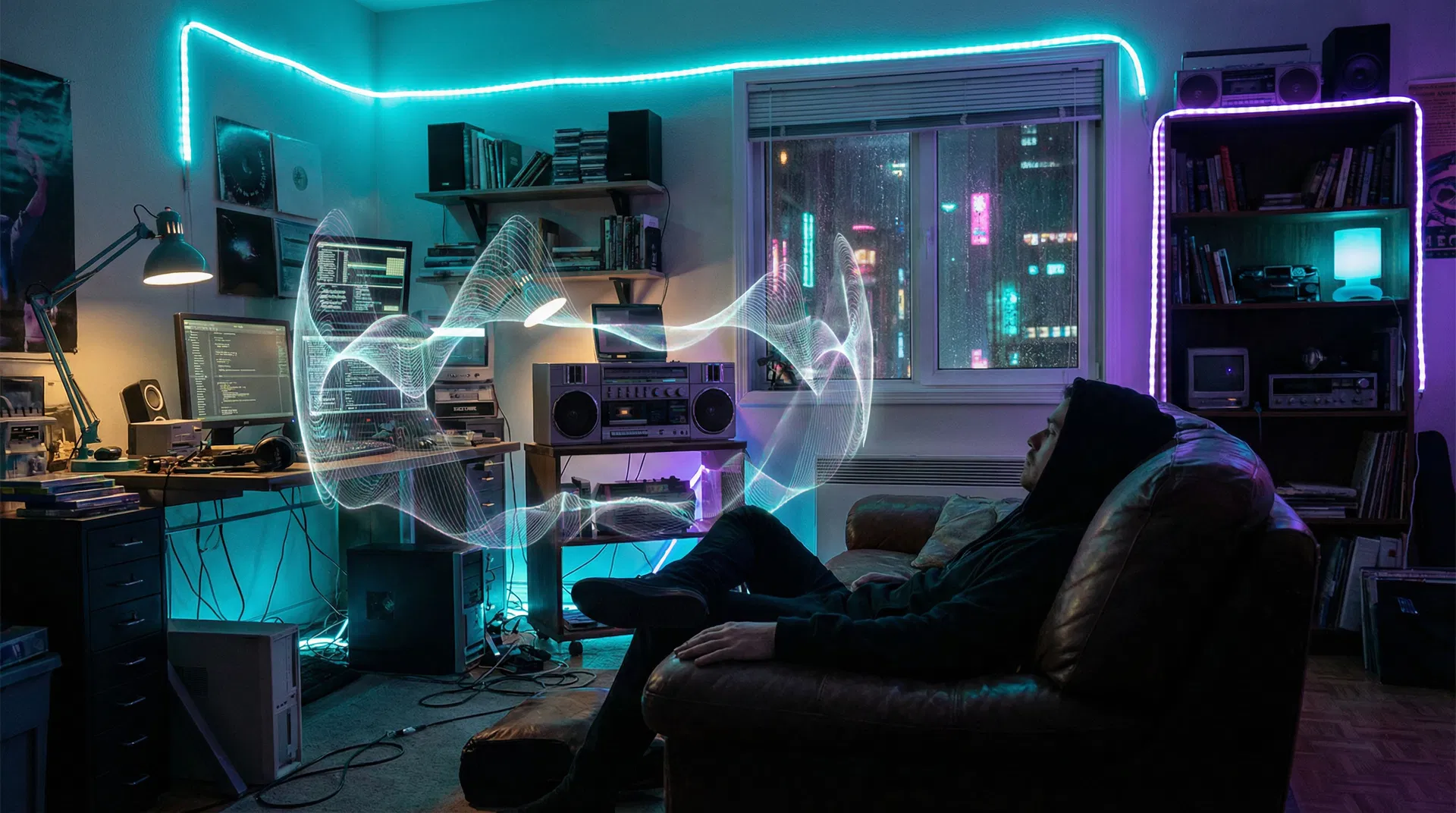
In a world that moves too fast, the simple wish for calm has become a luxury. Chillout music, with its warm textures and slow-moving atmospheres, offers a space where the mind can soften, the world becomes quieter, and the body remembers how to breathe again. But what exactly makes these soundscapes so uniquely comforting? And why do millions around the world rely on them to unwind, relax, or transition out of a stressful day?
This article explores the deeper psychology behind chillout music — and the subtle ways in which ambient sound can restore emotional balance.
A Sound Designed to Slow You Down
Chillout music is intentionally minimal. Unlike energetic genres built around rhythm or narrative, chillout relies on gentle tones, slow harmonic movement, and long, flowing pads. The absence of sharp transitions or lyrical content allows the brain to release tension rather than anticipate what comes next.
The mind doesn't have to decode anything — it can simply rest.
This softness is not accidental; it is the very core of the genre. Its purpose is to create an atmosphere in which the nervous system can shift out of alertness and into a state of quiet presence.
The Nervous System Loves Predictability
One of the most powerful psychological effects of chillout music is the way it creates a predictable, stable environment.
Everyday life is full of unpredictable stimuli — notifications, conversations, noises, demands — and the body often remains in a subtle state of alert. Calm music acts as the opposite: a steady, safe backdrop that tells your nervous system, "You're okay. You can slow down now."
As the sound remains consistent, your breath naturally becomes slower and deeper. Heart rate decreases. Muscle tension drops. The mind unclutters.
This is not a trick. It is biology.
Warm Tones and Emotional Comfort
The sound design behind chillout atmospheres is deeply emotional.
Soft pads, mellow synths, quiet guitars, ocean waves, warm wind, distant cafés — these are all sounds that resemble environments where humans tend to feel safe.
Our brains are wired to relax when surrounded by gentle, natural, or warm acoustic textures.
When these textures are combined with visuals — sunset beaches, cozy rooms, evening cafés — the effect becomes even stronger.
This is why channels like Chillout Sphere resonate so deeply with listeners: the combination of ambience and visuals creates a complete emotional environment.
A Gentle Ritual for the End of the Day
For many people, chillout music becomes a ritual.
Not something you "listen to," but something you enter — like stepping into a warm, quiet place where the weight of the day can fall off.
The music sets the tone for transitions:
- from work into evening
- from stress into calm
- from stimulation into stillness
- from tension into rest
These small transitions shape mental health more than we realize. Chillout music becomes a doorway between two emotional worlds — a soft landing after the demands of the day.
Why Chillout Sphere Works So Well
Chillout Sphere captures everything chillout needs:
- warm atmospheres
- slow, gentle pacing
- cinematic visuals
- stable, non-intrusive sound design
- longform sessions that require nothing from the listener
The experience feels effortless — and that is exactly the point. The viewer doesn't need to "pay attention." They only need to allow themselves to settle into the moment.
This effortless quality is one of the strongest psychological aspects of chillout: it doesn't push the listener anywhere. It simply stays with them until their mind begins to soften.
Calm Is Not the Absence of Noise — It's the Presence of Balance
True calm is not just silence. It is a state in which the internal noise — mental chatter, tension, emotional load — becomes quieter.
Chillout music helps create this space.
With every soft chord and warm colour of the atmosphere, the body remembers how to feel grounded. The world slows down. Attention drifts inward. Stress loses its grip. Calm becomes something you can slip into, simply by pressing play.
And that is the quiet power of chillout soundscapes:
They bring us back to ourselves.
How to Use Chillout Music Effectively
To get the most from chillout soundscapes, consider these approaches:
Create Transition Rituals
Use chillout music as a signal to your mind that it's time to shift gears. Play it when you come home from work, before bed, or during evening routines.
Pair with Calming Activities
Combine chillout music with activities that naturally promote relaxation: reading, journaling, stretching, or simply sitting quietly with tea.
Let It Play in the Background
Unlike focus music that requires active engagement, chillout works best when you don't try to "listen" to it. Let it fill the space around you without demanding attention.
Use Visual Accompaniment
Channels that combine music with calming visuals (sunset beaches, cozy interiors, nature scenes) create a more immersive relaxation experience.
The Science of Sound and Stress Reduction
Research in music psychology shows that slow-tempo music (60-80 BPM) can:
- Lower cortisol levels (the stress hormone)
- Reduce heart rate and blood pressure
- Activate the parasympathetic nervous system (rest and digest mode)
- Improve sleep quality when used before bedtime
The key is consistency and repetition. Regular exposure to calming soundscapes trains your nervous system to recognize these sounds as a signal for relaxation.
Final Thoughts: The Gift of Stillness
In a culture that celebrates productivity, speed, and constant engagement, chillout music offers something radical: permission to slow down.
It doesn't ask you to achieve anything. It doesn't measure your progress. It simply creates a space where you can exist without pressure, without urgency, without the need to be anywhere other than where you are.
And in that space, something important happens:
You remember what it feels like to be calm.
Explore curated chillout sessions on Chillout Sphere — where warm soundscapes meet cinematic visuals to create the perfect atmosphere for relaxation and emotional balance.
🎧 Listen While You Read
From our channel: Chillout Sphere
Moonlit Lounge – Soothing Chillout Vibes for Ultimate Peace & Tranquility
TAGS
Share this article