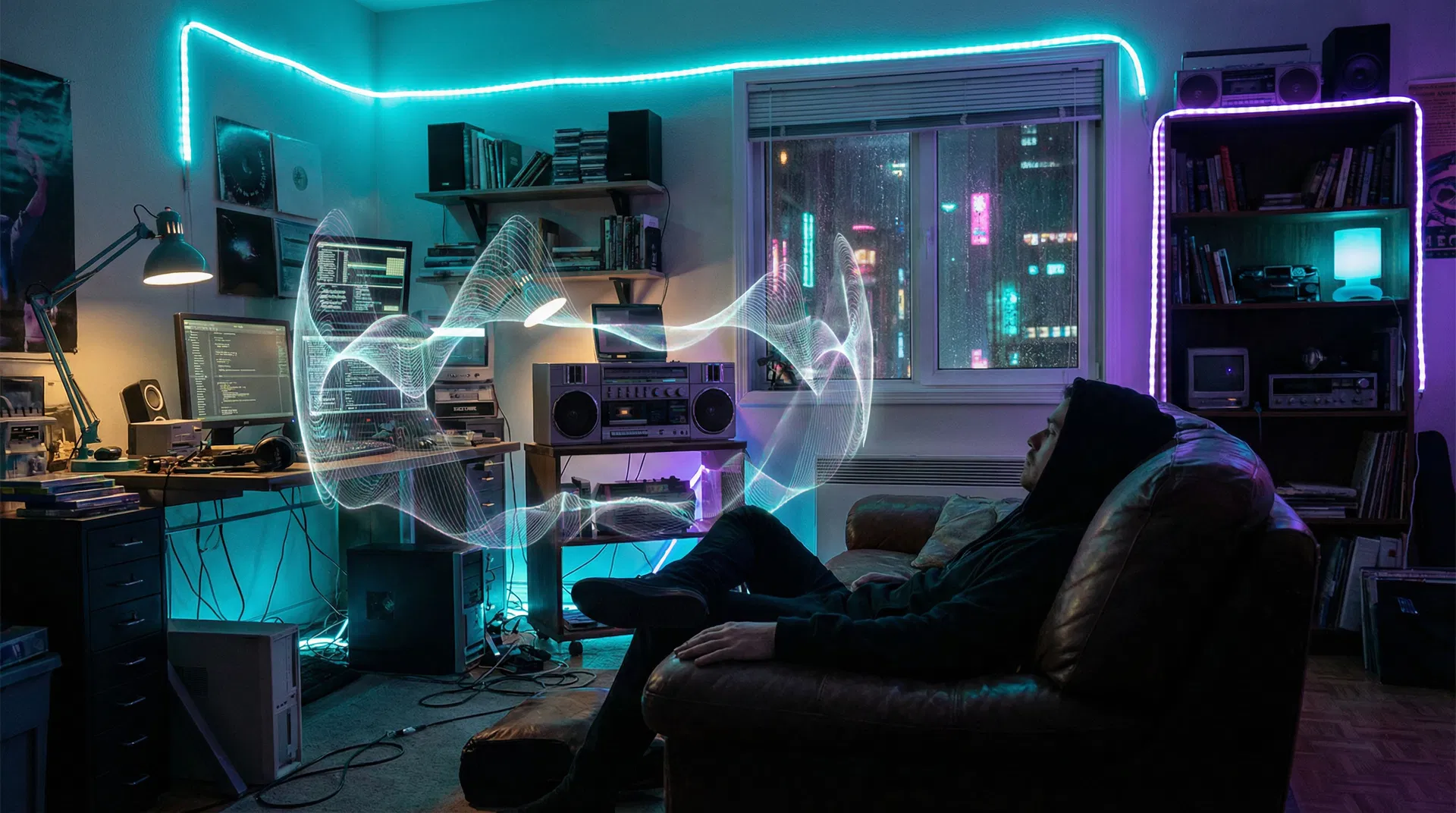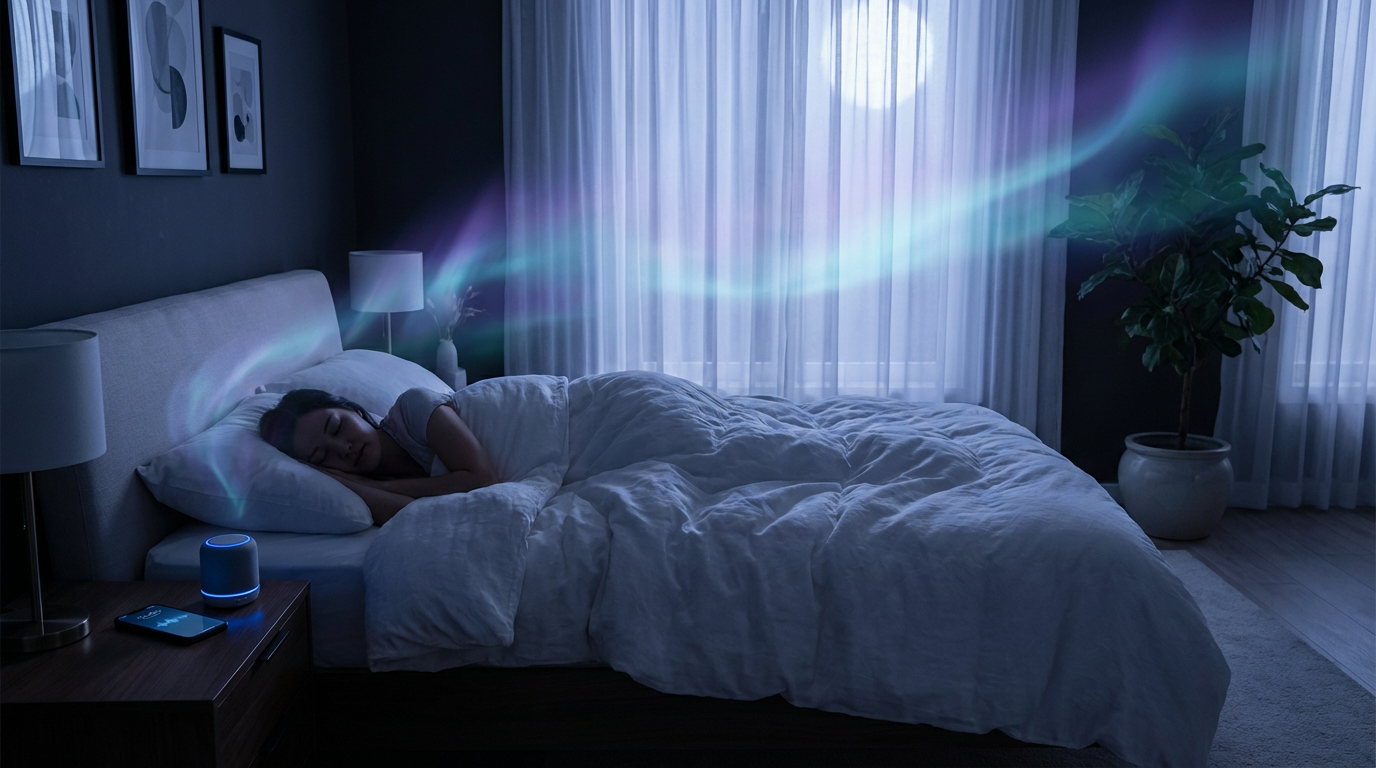
In a world where sleep deprivation has become a modern epidemic, affecting cognitive performance, emotional regulation, and physical health, the search for natural sleep aids has intensified. Among the most accessible and scientifically supported tools is music—specifically, ambient soundscapes designed to guide the brain into restful states. Unlike pharmaceutical interventions, music offers a non-invasive pathway to better sleep, leveraging the brain's innate response to auditory patterns.
Sleep music is not simply background noise or random melodies. It is carefully crafted to align with the physiological and neurological processes that govern sleep. Understanding how tempo, harmony, instrumentation, and volume interact with the brain's sleep architecture can transform your relationship with rest and unlock deeper, more restorative sleep cycles.
The Neuroscience of Sleep and Sound
Sleep is not a uniform state but a complex cycle of distinct stages, each characterized by unique brainwave patterns and physiological functions. The journey from wakefulness to deep sleep involves a gradual shift in brain activity, moving from fast beta waves to slower alpha, theta, and finally delta waves.
Stage 1 (Light Sleep) marks the transition from wakefulness. Brainwaves slow from beta to alpha and theta frequencies. This stage is fragile; external stimuli can easily disrupt it. Ambient music during this phase must be gentle and non-intrusive, providing a consistent auditory environment that signals safety and calm.
Stage 2 (Deeper Light Sleep) accounts for the majority of sleep time. Brainwaves continue to slow, punctuated by sleep spindles and K-complexes—brief bursts of neural activity that consolidate memories and protect sleep from disturbances. Music that maintains a steady, predictable pattern supports this stage by reducing the likelihood of arousal.
Stage 3 (Deep Sleep) is dominated by delta waves, the slowest brainwave frequency. This is the most restorative phase, essential for physical recovery, immune function, and cellular repair. Deep sleep is difficult to disrupt, but the transition into it can be facilitated by music that gradually decreases in tempo and complexity, mirroring the brain's natural descent into slower frequencies.
REM Sleep (Rapid Eye Movement) is characterized by vivid dreams and heightened brain activity similar to wakefulness. While music is less influential during REM, the quality of earlier sleep stages determines how smoothly REM cycles occur.
The brain's auditory cortex remains active during sleep, processing sounds even when consciousness fades. This is why sudden noises can wake us, but also why consistent, soothing sounds can deepen sleep. Ambient music works by providing a stable auditory baseline, masking disruptive environmental noise and signaling to the brain that the environment is safe for rest.
Tempo: The Heartbeat of Sleep Music
One of the most critical elements of sleep music is tempo, measured in beats per minute (BPM). Research has consistently shown that slower tempos align with the body's natural preparation for sleep, particularly the slowing of heart rate and breathing.
The average resting heart rate for adults ranges from 60 to 100 BPM, but during sleep, it decreases further, often dipping below 60 BPM. Music with a tempo between 60 and 80 BPM mirrors this physiological slowing, encouraging the cardiovascular system to synchronize with the rhythm. This phenomenon, known as rhythmic entrainment, allows the body to adopt the tempo of the music, facilitating relaxation.
Faster tempos, above 100 BPM, stimulate alertness and arousal, making them counterproductive for sleep. Even moderately paced music around 90-100 BPM can maintain a level of engagement that prevents the brain from transitioning into sleep states. In contrast, music slower than 60 BPM can feel unnaturally sluggish, potentially creating a sense of unease rather than calm.
The ideal sleep music gradually decreases in tempo over time, starting around 70-80 BPM and slowing to 60 BPM or below. This gradual deceleration mirrors the body's natural wind-down process, guiding the listener from wakefulness into sleep without abrupt transitions that might trigger arousal.
Harmony and Melody: Simplicity Over Complexity
The harmonic and melodic structure of sleep music plays a crucial role in its effectiveness. Unlike music designed for focus or creativity, which may benefit from complexity and variation, sleep music thrives on simplicity, predictability, and consonance.
Consonant harmonies—those that sound pleasant and resolved—activate the brain's reward centers without demanding cognitive processing. Dissonant or unresolved harmonies, on the other hand, create tension and anticipation, keeping the mind alert as it seeks resolution. For sleep, consonance is essential.
Melodies in sleep music should be minimal and repetitive. Repetition reduces cognitive load, allowing the brain to disengage from active listening. When a melody is predictable, the brain stops analyzing it, freeing mental resources for the transition into sleep. This is why many effective sleep tracks feature simple, looping motifs rather than complex compositions.
Harmonic progression should be slow and gentle, avoiding sudden key changes or dramatic shifts. Smooth, gradual transitions between chords create a sense of continuity and safety, reinforcing the auditory environment as stable and non-threatening.
Ambient music often employs drones and sustained tones—long, unchanging notes that provide a sonic foundation. These drones mimic natural environmental sounds like ocean waves or wind, which the brain interprets as non-threatening background noise. The absence of sharp attacks or percussive elements further reduces arousal, allowing the listener to sink into rest.
Instrumentation: The Sound of Calm
The choice of instruments in sleep music is not arbitrary. Certain timbres and textures are inherently more soothing than others, based on both acoustic properties and psychological associations.
Soft, sustained instruments such as synthesizers, strings, and ambient pads are ideal for sleep music. These instruments produce smooth, continuous sounds without harsh transients or percussive attacks. The brain processes these tones as gentle and non-threatening, reducing the startle response that can disrupt sleep onset.
Piano and acoustic guitar, when played softly and with minimal dynamics, can also be effective. The natural resonance of these instruments creates a warm, organic quality that many listeners find comforting. However, overly bright or percussive playing can be counterproductive, so sleep-focused compositions typically favor mellow, legato phrasing.
Nature sounds—such as rain, ocean waves, forest ambience, and gentle wind—are frequently integrated into sleep music. These sounds activate the parasympathetic nervous system, which governs the body's rest-and-digest response. Evolutionarily, consistent natural sounds signaled safety, while sudden silence or unexpected noises indicated potential danger. By incorporating nature sounds, sleep music taps into these deep-rooted survival mechanisms.
Absence of vocals is another key characteristic. Lyrics engage the brain's language centers, prompting cognitive processing and emotional interpretation. Even instrumental music with prominent melodic lines can demand too much attention. The most effective sleep music remains in the background, present but unobtrusive.
Volume and Dynamic Range: The Art of Subtlety
Volume and dynamic range—the difference between the loudest and quietest parts of a track—are often overlooked but critically important factors in sleep music.
Music for sleep should be played at a low to moderate volume, just loud enough to mask environmental noise but not so loud that it becomes a focal point. Research suggests that around 40-50 decibels—roughly the volume of a quiet conversation—is optimal. At this level, music provides a consistent auditory backdrop without stimulating the brain into alertness.
Dynamic range should be minimal. Sudden increases in volume or intensity can trigger the brain's arousal response, pulling the listener out of relaxation. Sleep music benefits from compression and limiting, audio engineering techniques that smooth out volume fluctuations and maintain a consistent sound level throughout the track.
Tracks that gradually fade out or decrease in volume over time can be particularly effective, as they mirror the natural process of drifting into unconsciousness. Some sleep playlists are designed to play for a set duration—such as 30 or 60 minutes—before fading to silence, allowing the listener to fall asleep without abrupt endings.
Circadian Rhythm and Music: Timing Matters
The body's internal clock, or circadian rhythm, regulates sleep-wake cycles based on environmental cues, primarily light and darkness. However, auditory cues can also influence circadian alignment, particularly in the evening hours when the body prepares for sleep.
Listening to calming ambient music in the hour before bed can serve as a sleep ritual, signaling to the brain that it is time to wind down. This consistent pre-sleep routine strengthens the association between music and rest, making it easier to fall asleep over time.
Conversely, stimulating music—such as upbeat, fast-tempo tracks—can disrupt circadian rhythms if listened to late in the evening. The brain interprets high-energy music as a signal for activity and alertness, delaying the release of melatonin, the hormone responsible for sleep onset.
For those with irregular sleep schedules or circadian misalignment, such as shift workers or frequent travelers, ambient sleep music can provide a portable auditory environment that helps anchor the body's internal clock, making it easier to fall asleep regardless of external conditions.
Practical Applications: Building Your Sleep Soundscape
Understanding the science of sleep music is one thing; applying it effectively is another. Here are practical strategies for integrating ambient soundscapes into your sleep routine.
Create a consistent pre-sleep ritual. Begin listening to calming ambient music 30 to 60 minutes before bed. This signals to your brain that sleep is approaching and helps disengage from the stimulation of the day.
Choose music with the right characteristics. Look for tracks with tempos between 60 and 80 BPM, minimal melodic complexity, consonant harmonies, and soft instrumentation. Avoid music with lyrics, sudden dynamic shifts, or percussive elements.
Use playlists designed for sleep. Many streaming platforms offer curated sleep playlists, but you can also create your own. Aim for at least 30 minutes of continuous music, with tracks that flow seamlessly into one another.
Consider nature sounds and ambient blends. Tracks that combine gentle instrumentation with nature sounds—such as rain, ocean waves, or forest ambience—can be particularly effective. These sounds activate the parasympathetic nervous system and provide a consistent auditory baseline.
Experiment with volume and duration. Start with a low volume, just loud enough to mask background noise. Some people prefer music that plays throughout the night, while others find it more effective to have music fade out after 30-60 minutes. Experiment to find what works best for you.
Integrate with other sleep hygiene practices. Music is most effective when combined with other healthy sleep habits, such as maintaining a consistent sleep schedule, reducing screen time before bed, and creating a cool, dark sleep environment.
The Deep Focus Sphere Experience
For those seeking a high-quality ambient soundscape designed for relaxation and mental clarity, the Deep Focus Sphere channel offers a curated selection of calm, immersive tracks. While many of these soundscapes are designed for focus and productivity, their gentle, ambient qualities make them equally effective for sleep.
One standout example is the track Deep Focus Ambient – Calm Soundscapes for Intense Concentration. This 10-hour ambient composition features slow, evolving textures, minimal melodic movement, and a consistent, soothing atmosphere. The absence of sudden changes or jarring elements makes it ideal for both deep work and restful sleep.
The beauty of ambient music lies in its versatility. The same soundscape that helps you concentrate during the day can guide you into sleep at night, provided it meets the key criteria: slow tempo, harmonic simplicity, soft instrumentation, and minimal dynamic range.
Conclusion: Music as a Gateway to Rest
Sleep is one of the most fundamental pillars of health, yet it remains elusive for millions of people. In an era of constant stimulation and digital overload, the brain often struggles to transition from the demands of waking life to the stillness required for rest.
Ambient sleep music offers a scientifically grounded, accessible, and non-invasive tool for improving sleep quality. By aligning with the brain's natural sleep architecture—through tempo, harmony, instrumentation, and volume—music can guide the mind and body into deeper, more restorative sleep cycles.
The key is intentionality. Not all music is created equal when it comes to sleep. Understanding the principles outlined here allows you to curate a sleep soundscape that works with your biology rather than against it. Whether you turn to curated playlists, nature sounds, or ambient compositions like those from Deep Focus Sphere, the right music can transform your nights and, by extension, your days.
Sleep is not a luxury; it is a necessity. And in the quiet embrace of ambient soundscapes, the brain finds the permission it needs to let go, to rest, and to restore.
🎧 Listen While You Read
From our channel: Pianosphere Radio
Moonlit Ocean Piano - Relaxing Piano Music with Fireplace for Deep Sleep & Focus
TAGS
Share this article