Relaxation used to be something people enjoyed when time allowed. A quiet Sunday morning. A slow hour before bed. A moment of silence after a long day. Today, the pace of life has changed. The world moves faster, demands more, and interrupts constantly. In this new reality, relaxation is no longer a luxury. It has become a skill, and one that few people learned to practice with intention.
The modern mind rarely shuts off. Even in moments of rest, thoughts keep running, planning, evaluating, preparing. The nervous system stays alert, as if the next demand is only seconds away. This continuous mental motion drains clarity and energy without people even noticing until they feel the weight of it. Relaxation is the quiet cure for this. It brings the mind back into balance and allows the body to feel safe enough to release tension.
The Nervous System and the Feeling of Safety
Real relaxation begins long before the mind becomes quiet. It begins when the nervous system recognizes safety.
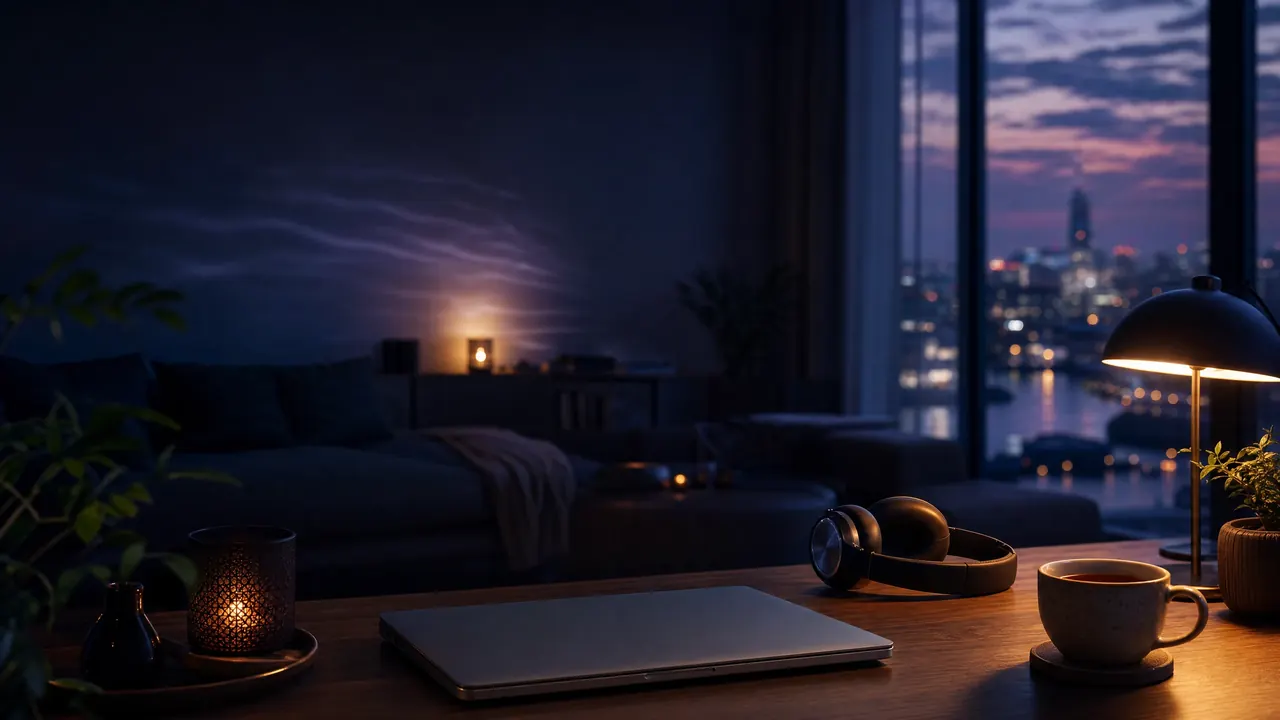
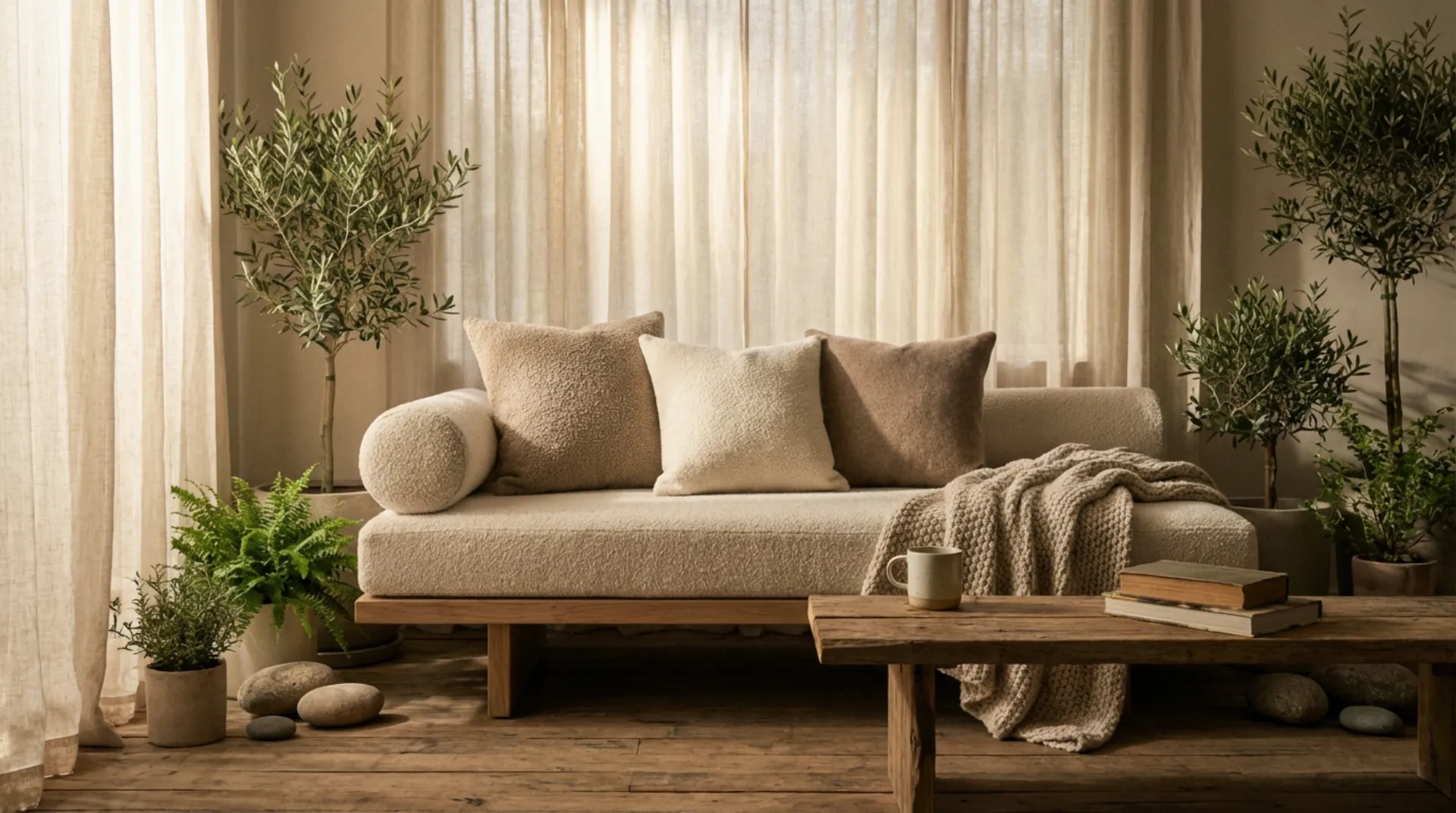
Warm light, soft textures, gentle sounds, and uncluttered environments act as signals that allow the body to downshift. Breathing slows. Muscles loosen. Thoughts soften. The body settles into a state it instinctively understands.
A single, simple set of emotional cues guides this shift:
- warmth
- softness
- predictability
- gentle sound
- space
When these elements appear together, the nervous system transitions naturally from alertness to calm.
The Psychology of Slowing Down
Relaxation is not the absence of activity. It is the presence of a slower emotional rhythm.
Calm environments reduce the mental noise created by constant stimulation. When the mind has fewer things to track and fewer interruptions to anticipate, it finds its natural pace again. This is why entering a softly lit room, sitting near a window while it rains, or resting in a quiet corner can feel grounding. The environment shapes the mind.
Relaxation is active. It is the mind realigning itself. It is not laziness, and it is not escape. It is the process of becoming present again.
Why the Modern World Makes Relaxation Difficult
Most environments today are built around stimulation.
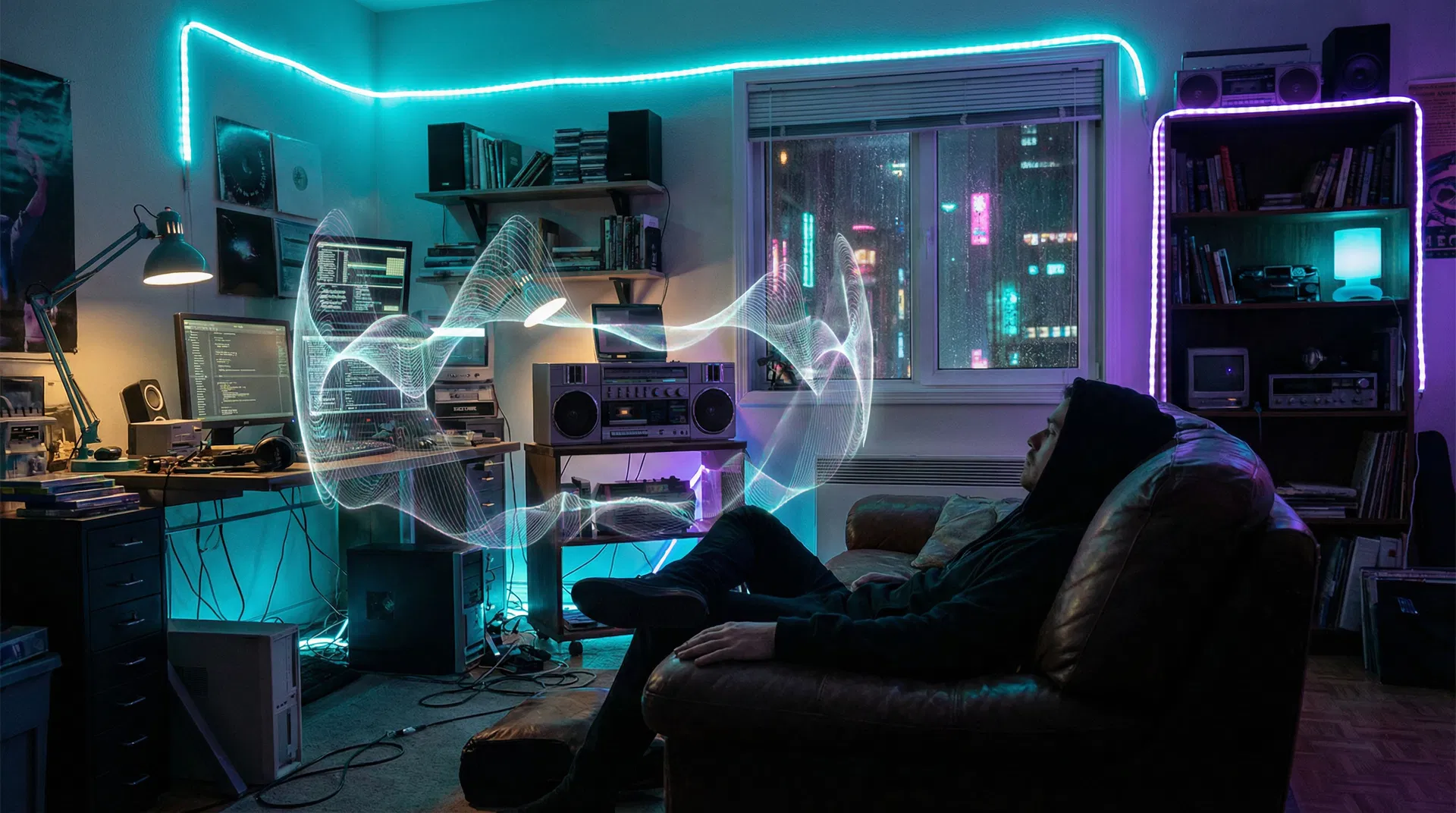
Bright lights, screens, constant sound, endless information. Even spaces meant for rest often contain hidden demands. Because of this, people confuse distraction with relaxation. They scroll to unwind, but the nervous system remains alert. The body never truly settles.
For relaxation to take hold, the environment must communicate safety and slowness. It must allow the mind to soften rather than jump from one input to the next. This is something most people must now create intentionally, because the world no longer provides it naturally.
How Ambient Atmospheres Support Calm
Ambient soundscapes have become one of the most effective tools for relaxation.
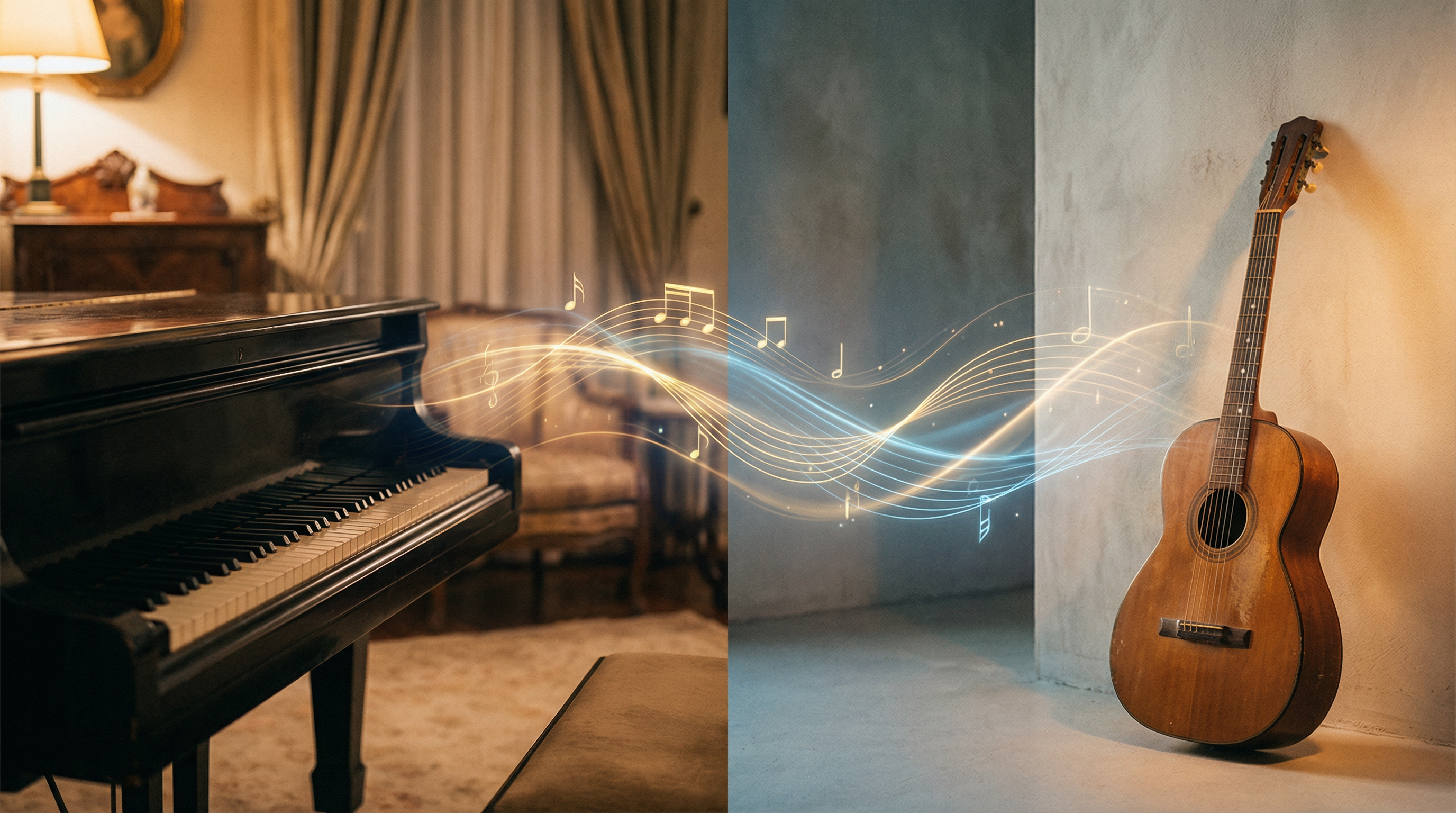
Soft pads, quiet piano, rainfall, distant cafés, gentle guitar, slow evening rooms. These sound environments tell the mind that nothing urgent is required. They give emotional context. They create atmosphere. Relaxation does not begin in silence. It begins in a place that feels calm.
This is why ambient content resonates so deeply. It allows listeners to step into a mood rather than force themselves into one. The moment becomes softer, and the nervous system responds.
A Skill Worth Practicing
Relaxation strengthens clarity, creativity, emotional stability, and resilience.
Without it, the mind becomes overwhelmed. With it, life becomes manageable. Relaxation is not an interruption to productivity. It is the foundation of it.
The quiet cure is not an escape from life. It is the return to a centered version of yourself. It is the reminder that beneath the noise, there is stillness waiting to be heard. Relaxation is not a break. It is the part that makes everything else possible.
How to Practice Intentional Relaxation
To cultivate relaxation as a skill, create intentional practices and environments:
Design Your Space for Calm
Use warm, soft lighting instead of harsh overhead lights. Add natural textures like wood, plants, and soft fabrics. Keep surfaces uncluttered to reduce visual noise.
Choose Gentle Soundscapes
Play ambient music, nature sounds, or soft instrumental tracks. Avoid stimulating or complex music during relaxation time.
Establish Transition Rituals
Create clear boundaries between work and rest. Light a candle, make tea, or change into comfortable clothes to signal the shift to your nervous system.
Practice Micro-Relaxation
Take 2-3 minute breaks throughout the day to breathe deeply, stretch gently, or simply sit in stillness. These small moments compound over time.
Protect Evening Hours
Dim lights 1-2 hours before bed. Reduce screen time. Allow your body to naturally prepare for rest.
The Science of Relaxation
Research in neuroscience and psychology shows that intentional relaxation:
- Activates the parasympathetic nervous system (rest and digest mode)
- Reduces cortisol levels (stress hormone)
- Improves cognitive function and decision-making
- Enhances emotional regulation
- Strengthens immune system function
- Increases creativity and problem-solving ability
The key is consistency. Regular relaxation practices create lasting changes in how the nervous system responds to stress.
Creating Your Relaxation Sanctuary
The most effective relaxation happens in environments designed for it:
Visual Elements: Soft, warm lighting (candles, salt lamps, warm LEDs), natural materials, minimal clutter, calming colors (earth tones, soft blues, greens)
Auditory Elements: Ambient music, nature sounds, gentle instrumental tracks, or intentional silence
Physical Comfort: Soft textures (blankets, cushions), comfortable seating, optimal temperature, fresh air or gentle ventilation
Emotional Safety: Privacy, predictability, freedom from interruption, absence of urgent demands
When combined with the right ambient soundscapes, these elements create a complete relaxation environment. Channels like Chillout Sphere and Pianosphere Radio offer carefully curated atmospheres designed specifically for deep relaxation and emotional restoration.
Conclusion: The Return to Stillness
In a world that constantly asks us to move faster, relaxation is the gentle rebellion of slowing down.
It is not weakness. It is not wasted time. It is the quiet cure that restores clarity, rebuilds energy, and reconnects us with the centered version of ourselves.
The modern mind needs relaxation more than ever. Not as an occasional luxury, but as a daily practice. A skill cultivated with intention. A space protected with care.
Beneath the noise, there is stillness waiting to be heard.
And in that stillness, we find ourselves again.
Explore the calming soundscapes of Sphere Music Hub — where ambient music meets intentional design to create spaces for deep relaxation, focused work, and mindful living.
🎧 Listen While You Read
From our channel: Chillout Sphere
Relaxing Chillout Music – Ocean Terrace at Sunset - Deep Lounge for Evening Escape
TAGS
Share this article